“Digital Leash Around Employees’ Necks”: UTS Demands Federal Action On AI Surveillance
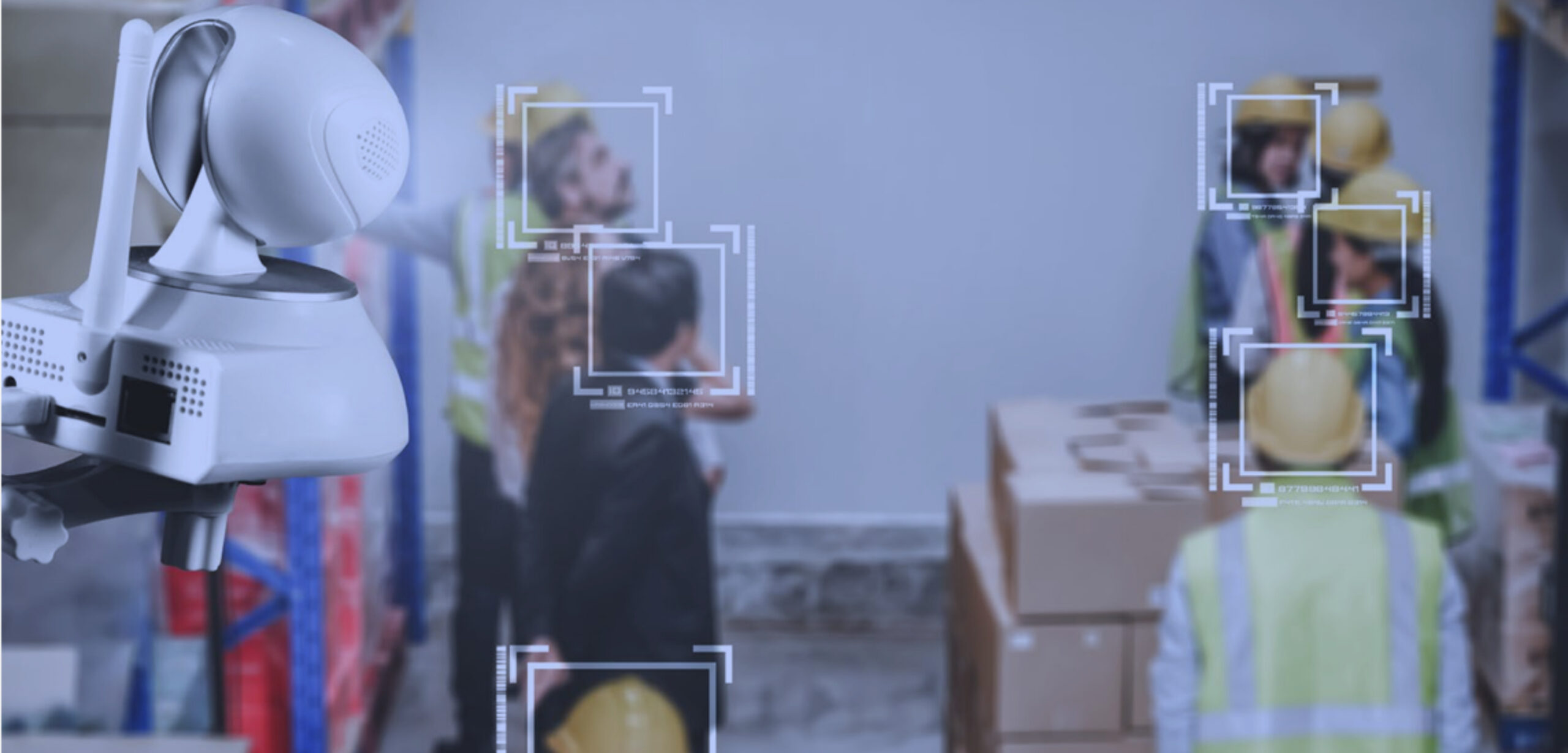
Image: Drawing The Line: Tech-enabled surveillance of Australian workers Report / Human Technology Institute, UTS
The University of Technology Sydney (UTS) has released a report calling on the Australian Government to address the threat to workers from new AI-powered surveillance technologies.
According the report, Drawing the Line, authored by the university’s Human Technology Institute (HTI), everyday workers are being subject to a “rising tide” of AI-supported surveillance, with many workers unaware of the extent to which they are being monitored.
“Monitoring tools range from bespoke surveillance tech, like facial recognition cameras, to products with embedded surveillance capabilities – including software as common as Microsoft Teams,” the report warns.
“These tools are being rolled out across the full range of Australian workplaces. Office workers, delivery drivers, factory technicians and shop assistants are all experiencing this increased surveillance. While workers increasingly report harm from unreasonable surveillance, most workers simply don’t know the true extent of surveillance they are subjected to.”
Workplace AI Surveillance Described As A “Digital Leash Around Employees’ Necks”
For Senator Tony Sheldon, this new wave of AI-anxiety is all too justified. Sheldon likened current surveillance strategies to a “digital leash around employees’ necks”, describing how Amazon’s AI monitoring system has already turned their workforce into “inmates in digital warehouse prisons”.
Now, the UTS researchers are calling on the Australian Federal Government to step in and give employers clarity about what is considered reasonable monitoring of workers.
“Our laws are dangerously out of date,” said HTI Co-Director Professor Edward Santow. “They don’t protect workers from harmful forms of surveillance, and nor do they give clarity to employers about what forms of monitoring are acceptable.”
UTS Report’s Recommendations To Australian Government
Among the report’s recommendations are that the Fair Work Act require that any worker monitoring be “fair and reasonable”, and that the privacy protections that apply in private life apply in the workplace as well.
“Right now, employers typically rely on workers ‘consenting’ to being monitored when they sign their employment contract,” said Sarah Sacher, Senior Responsible Technology Policy Specialist at HTI. “But we all know that’s not real consent. If you need the job, you’re in no place to debate what is reasonable monitoring with your prospective employer.
“Introducing a requirement to act fairly and reasonably in the Fair Work Act would set clear guardrails for employers about monitoring workers, and would do so in a system that workers and employers understand well.”
Were the report’s recommendations followed, enterprise bargaining agreements and Modern Awards would have to comply with the “fair and reasonable” monitoring requirement. Moreover, a dedicated complaints stream in the Fair Work Commission would be created to hear all privacy-related complaints.