

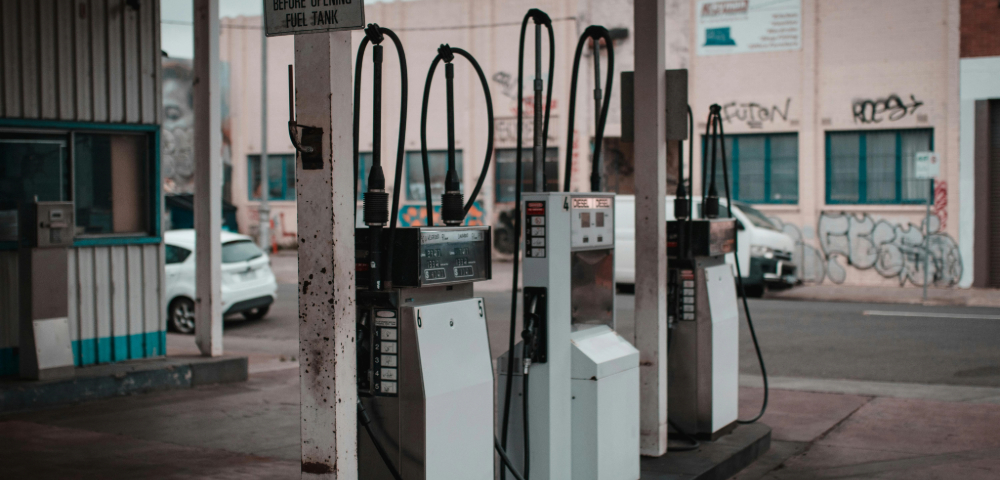
Image: Source: Pexels/Credit: Connor Forsyth.
The NSW government has rejected calls from the state opposition and transport union to make public transport free, warning the move would cost “millions of dollars every single day” amid rising fuel prices and worsening shortage.
Unleaded petrol averaged $2.50 a litre across NSW, while diesel rose above $3.05 on Sunday, according to Fuel Check data, as the war in Iran ripples through global markets.
At the same time, the fuel shortage is beginning to emerge with government figures revealing 229 NSW service stations are without diesel, and another 66 have no fuel at all.
The affected stations represent less than 3 per cent of the more than 24,000 sites across the state’s database, but station queues are growing.
Still, Transport Minister John Graham ruled out free fares on Sunday despite mounting pressure from both the Coalition and the Rail, Tram and Bus Union.
Opposition Leader Kellie Sloane called for free public transport over the Easter long weekend, arguing it would ease cost pressures on families and support local businesses.
The Coalition is also backing a temporary fuel excise cut and legislation requiring petrol retailers to publicly report and cap their daily fuel prices.
“With petrol prices continuing to rise and growing uncertainty about being able to fill up at the bowser, families deserve real relief,” Sloane said.
The Rail, Tram and Bus Union escalated its campaign on Sunday, with secretary Toby Warnes describing the situation as urgent.
“The fuel crisis is already having a devastating impact on local workers, families and industries,” he said. “The NSW government has a responsibility to act.”
Graham acknowledged the pressure but said scrapping fares would place a major strain on the budget, warning the disruption could last well beyond a month.
“We would lose millions of dollars for every single day that public transport was free,” he said. “This situation will last more than a month. We need to keep our powder dry to be able to assist the broader economy.”
He also cautioned that the move could paradoxically reduce services, with a surge in passengers stretching the network’s ability, particularly across Sydney’s rail lines.
The union is pushing for more frequent trains, buses and light rail services across the day. Warnes argues the network has the capacity to absorb the demand.
“Just make all hours of the day peak hour so that public transport is a viable alternative for people who want to ditch their car,” he said.
The decision puts NSW at odds with other states rolling out cost-of-living relief, with Victoria offering free public transport throughout April and Tasmania covering buses and ferries until July.





Leave a Reply