The Powerhouse Museum is NOT Saved
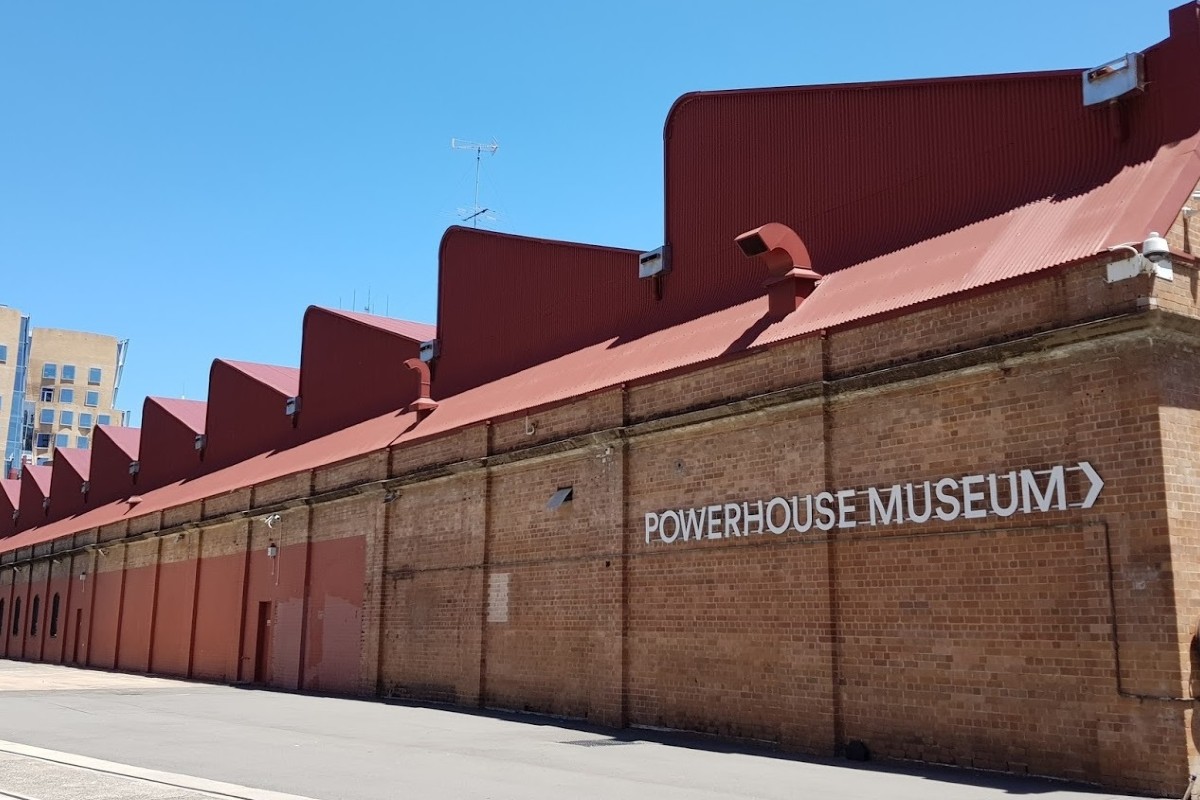
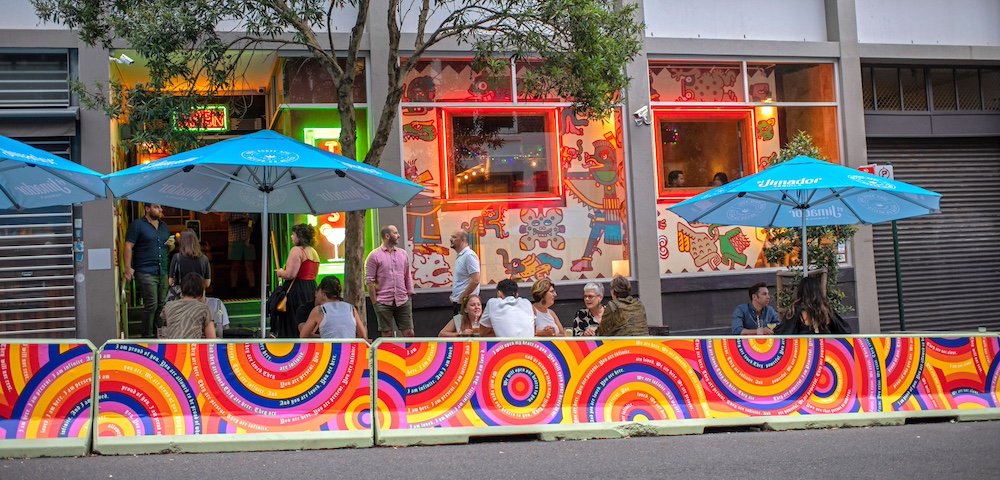
Image: A government $500 million renewal project means the Powerhouse Ultimo is moving away from its branding as a science and technology centre, and refocusing towards fashion and design. Photo: ivvy.com.
Opinion by KYLIE WINKWORTH
If at first you don’t succeed, try try again. This must be the government’s mantra in lodging its EIS (Environmental Impact Statement) for the ‘Ultimo Renewal’ of the Powerhouse Museum (PHM). The EIS is for a concept DA that will set the parameters for a design competition and redevelopment of the PHM into a fashion, design and creative industries precinct.
It green-lights the demolition of the 1988 Powerhouse Museum and posits a new entry from the Goods Line Walkway, and a 31 metre building – or higher – on the Harris Street frontage, among other development opportunities.
In the more than 2,000 pages of the EIS there is no credible justification for the intent behind the plans to erase all trace of Lionel Glendenning’s Sulman award winning museum, and radically alter the museum’s purpose, form, functions and facilities. A museum designed for a working life of more than 100 years is being trashed after just 33 years at a staggering cost of $500 million.
Still the EIS badges this waste as sustainable. The strategic justification in the EIS is the Cultural Infrastructure Plan 2025+. This policy was released in February 2019 and reflects the intent of the 2018 business case when the Powerhouse Museum was moving to Parramatta, and its Ultimo site up for sale and development.
So this is not the renewal of a much loved family museum that we thought we’d saved two years ago.
Like a dog returning to its vomit, the government is having another go at implementing the 2018 business case; when the PHM was set for closure with a remnant fashion, design and creative industries showcase left in the bits of the former museum, either too difficult or embarrassing to demolish.
These plans include the Powerhouse name and brand transferred to a billion dollar commercially focused development at Parramatta which is not a museum.

All the collections removed from the PHM’s Harwood building to Castle Hill, along with the staff, for no museological purpose or public benefit; the museum’s nationally significant power and transport collections evicted from their purpose designed settings and sent to Castle Hill; the Wran building demolished; the Harwood building offered as a development site and the real Powerhouse Museum renamed and redeveloped as a creative industries precinct with subsidised artists’ studios, retail, cafes, function spaces and some fashion and design displays.
No longer called a museum, it is now Powerhouse Ultimo.
This is a fundamental change of use and break with the Powerhouse Museum’s historic mission as Australia’s only museum of applied arts and sciences. It is also a broken promise by the NSW Premier.
Two years ago the now Premier announced that the Powerhouse Museum was saved and would continue to provide an outstanding visitor experience in the areas of technology, science, engineering and design… would complement the future focussed Parramatta facility….would retain jobs at Ultimo and would explore if some of the funds earmarked for relocation costs could be used on renovations.
None of these commitments have been kept. In June 2021, behind closed doors, and without consultation, explanation or policy process, the former Premier Berejiklian decreed the PHM would be a fashion, design and creative industries precinct.
Following this announcement there is nothing to explain why a 142 year old heritage museum needs to be turned into a creative industries precinct. Since it opened in 1988 the PHM has displayed science, technology, transport, engineering and fashion and design.
When the MAAS (Museum of Applied Arts and Sciences) CEO was asked at the last museum inquiry hearing about the justification for the $500 million ‘renewal’ project, all she was able to say was that the roof was leaking and the museum was not of international standard. A leaking roof is a matter of routine maintenance which MAAS has neglected, despite an increase in funding.
The second assertion is ridiculous. Up until the government’s museum eviction campaign started seven and half years ago, the museum had a remarkable record of hosting international exhibitions including Leonardo da Vinci’s Codex Leicester in 2000.

No understanding of museum design
The EIS provides no explanation or rationale for elements of the project such as altering the museum’s entry. The PHM is already accessible from the Goods Line, via the museum’s rear courtyard.
Contrary to the artist’s impression that shows the courtyard bathed in a golden glow, it is in fact mired in shadow for most of the year and is over shadowed by the unlovely Urban Nest development to the east.
Forgotten in all this is the grandeur of the PHM’s original entry through the vaulted Wran building, where visitors arrive at a sunny public square now slated for high rise. This entry was one of the world’s great museum atriums, a place for people to mingle with wonder and anticipation.
Showing little understanding of the language of museum design, the MAAS CEO favours a concierge type museum entry, like the hotel desk set among retail offerings planned for Parramatta. Contrary to all great museum buildings, the ‘Ultimo Renewal’ will have visitors entering from the bottom, from the south shaded courtyard, with no sense of the unveiling and surprise experienced in the unfolding succession of majestic spaces in Lionel Glendenning’s original design for the PHM.

Some of the money to be wasted wrecking the PHM’s design conception would be better spent fixing the access, design and visual slum that is the Broadway end of the Goods Line. Or the government could buy the Urban Nest buildings and return the sunshine to the museum’s courtyard.
The architect of the Powerhouse Museum puts the cost of genuine renewal of the museum’s exhibitions, infrastructure and public domain at $250m. It’s a shame that Create NSW didn’t ask him if there was a cheaper way of renewing the PHM.
Community feedback ignored
The EIS does not consider less destructive museum renewal options.
Also ignored are the views of the community about retaining the PHM’s most significant exhibition installations which are central to the museum’s popular appeal, identity and design conception. These include Transport, Flight and Space in the boiler hall, one of the world’s great transport exhibitions; Steam Revolution with steam engines working under live steam in the engine house; and the majestic installation of the 1785 Boulton and Watt and No.1 loco and carriages in the galleria.